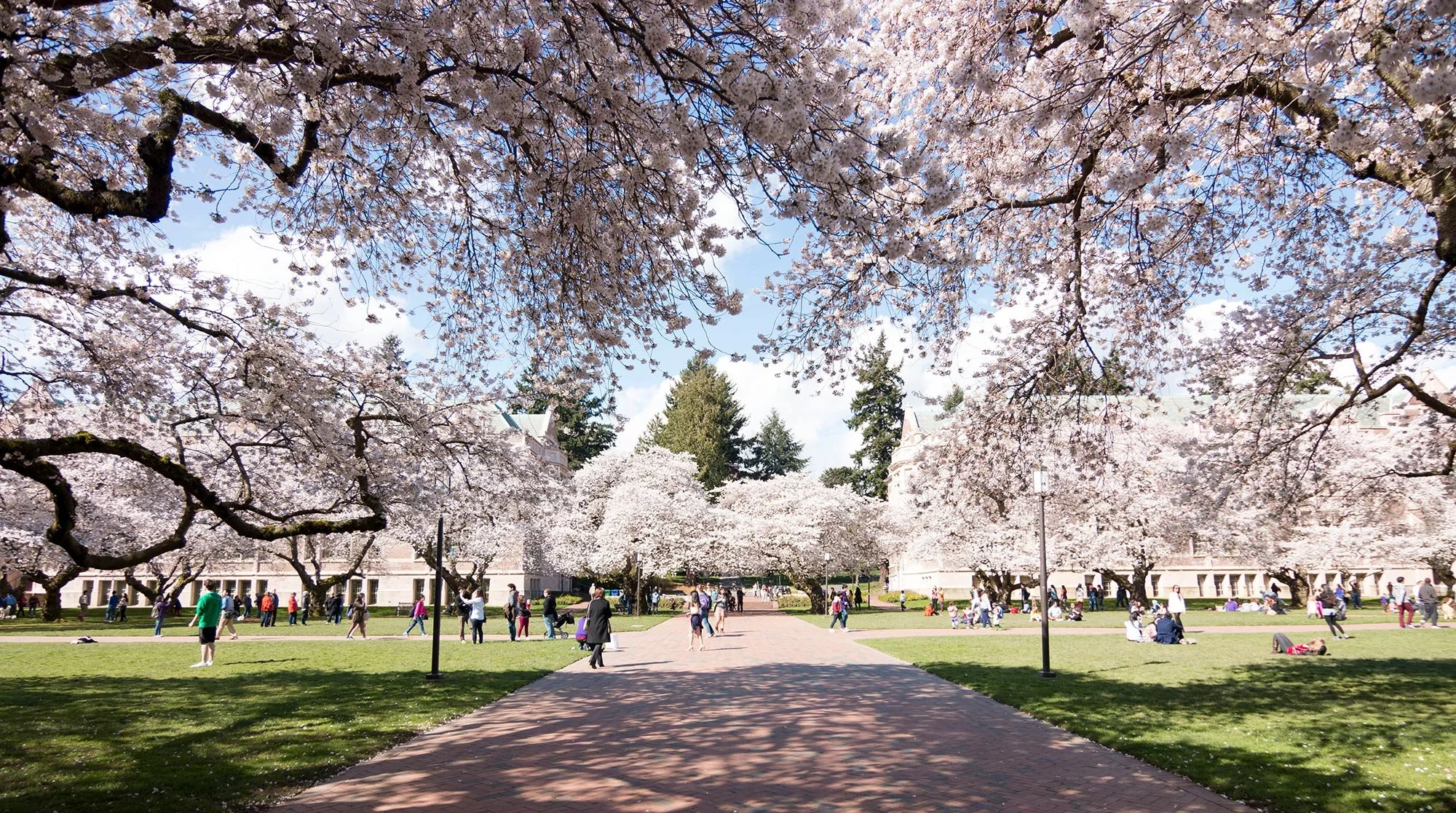
WELCOME TO MY HONORS PORTFOLIO!
Join me for a journey through my four years at the University of Washington in the Interdisciplinary Honors Program.
Introduction
Hello! My name is Thea Klein-Balajee and I am majoring in Informatics. This portfolio will document my time at the University of Washington, compiling everything that will make my learning experience here so important. It will include my coursework, artifacts representing key moments or learning opportunities, reflections about each quarter, and background information. I will be sure to continue updating it. This website is currently only compatible with computer access. Read the learning statement below to start, and when you’re ready, go to the Sketching tab.
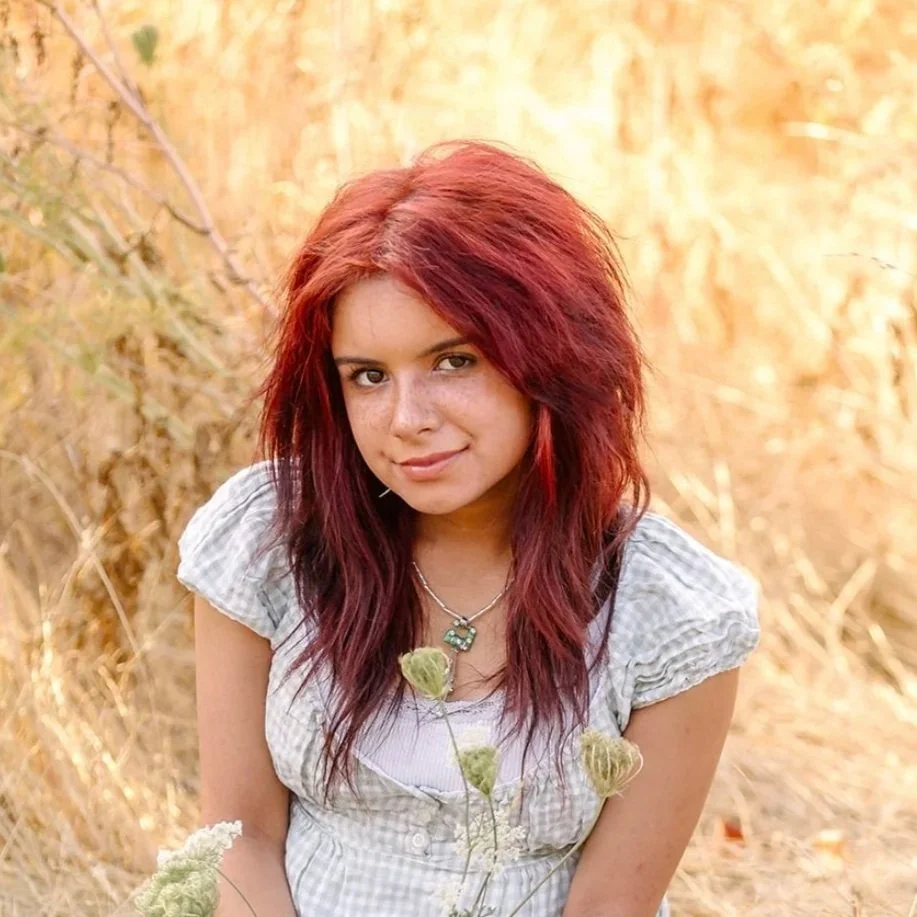
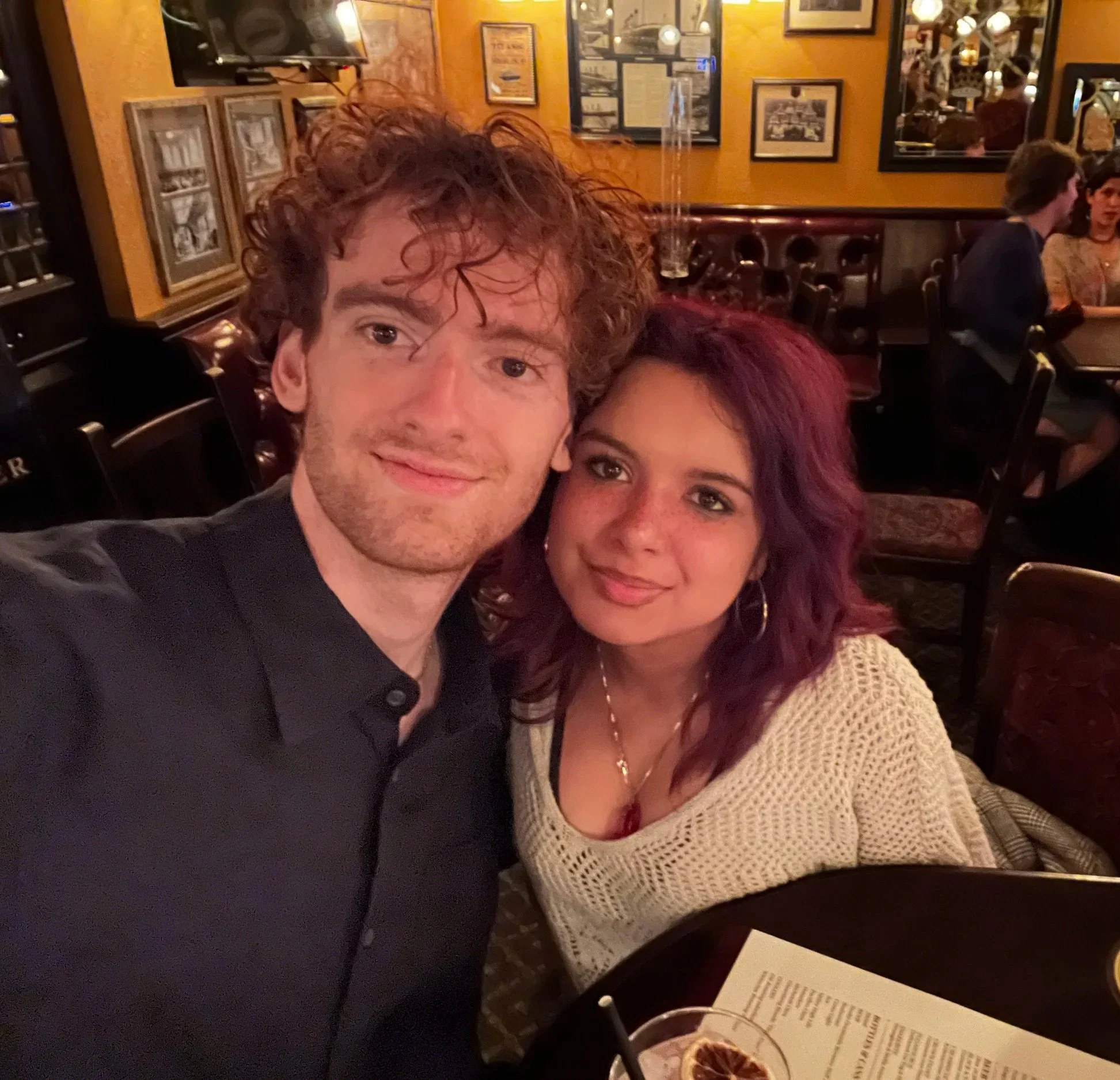
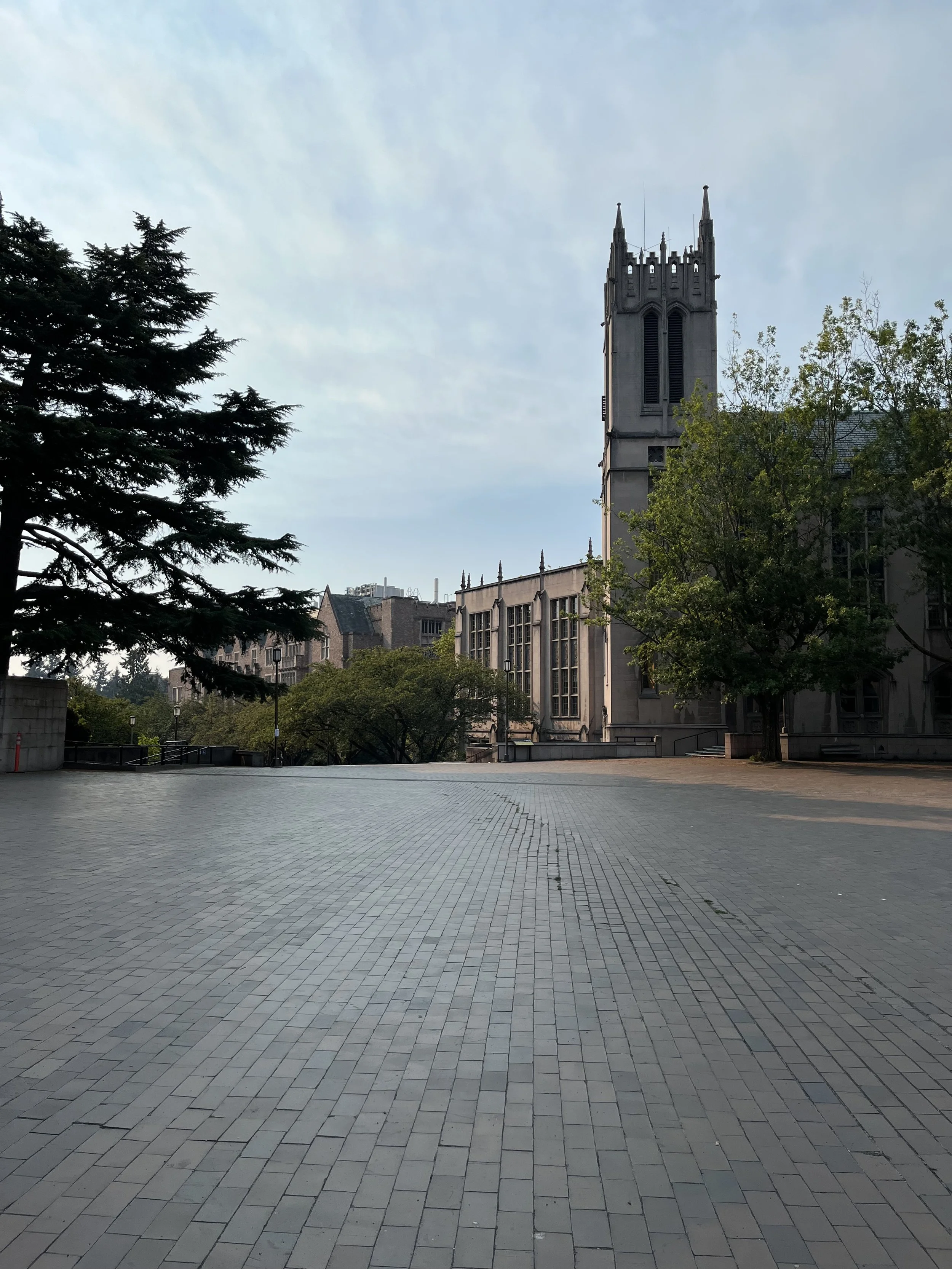
Hello! I am so glad you are here.
Learning Statement
When I started my journey at the University of Washington, I was certain about two things: I would become a lawyer, and the work I did had to further social good in a clear, conventional way. Law felt like the most sensible pathway - I saw it as structured, respected, and seemingly oriented toward a goal of justice work. I also had experience with mock trial and case management, and a family that expected me to graduate and go to law school, which felt like good jumping off points.
Creativity, in contrast, felt indulgent and unpredictable, and while I have been creative in a myriad of ways throughout my life, it did not feel like my joy for art or narrative or music could meaningfully contribute to change. I entered college with a strong sense of moral direction, but a narrow understanding of how my purpose could take shape outside of my existing framework.
Early in my undergraduate career, that certainty began to shift. On a whim, I attended an introductory coding course and found it intriguing. Unlike the classes I had taken before, this one challenged my brain in new ways - I was drawn to the logic and the problem-solving involved in creating systems, no matter how small. I enjoyed creating processes with code, whether that was making a version of “Wordle” in my terminal, or creating art with several functions that each defined one part of the piece. This experience challenged my assumptions about what kinds of work were available to me. Gradually, my plans shifted away from law and toward technology - not because I had abandoned my interest in social impact, but because I had discovered a mode of thinking that felt new and challenging. Additionally, I thought that if I pursued the legal path, I would have to rely on working within rigid institutional structures and advancing change slowly through existing channels. In my coding classes, I felt a sense of agency that I had not expected. I could build something (a tool, an experience) that people could use right away. I worked on projects across a variety of topics, but found UX/UI design especially interesting because I could focus on my love of creating visuals. I also took a wide range of classes outside of this interest, even ones involving AI and large-scale systems, gaining skills that were widely valued in the tech space. However, during this period, I began to feel a growing disconnect between my work and my sense of purpose. Much of what I was building had no clear social benefit, and some of it conflicted with my own core beliefs about the impact of many technologies on the environment and people.
Rather than immediately resolving this tension, I spent time trying to escape it. I distanced myself from creativity and kept forcing myself through data science courses, still seeing creativity as secondary to “serious” work. My family, much of the population at the UW, and a large part of modern society considers STEM careers and humanities careers like law and business to be more valuable and secure than creative pursuits. In hindsight, following that belief was a period of avoidance as much as exploration. In some way, I was learning that my purpose is not something I am able to fulfill by ascribing to conventional metrics of success. It is a felt experience, one that thrives when my skills are directed toward something I care about. I have come to understand that deriving joy from meaningful work is not a failure to optimize my life, but a sign of purpose.
In my major of Informatics, I was able to step back and ask broader questions about systems, power, and impact. Informatics helped me contextualize technology not just as a set of tools, but as a collection of choices with consequences. Around the same time, I began exploring video game design. What started as curiosity quickly became a motivation of learning about how a traditionally fun interface like a video game could be used to educate, raise awareness, and call players to action. Through this work, I began to consider creativity not as a personal indulgence but as a method of communication and inquiry. I learned that games, stories, and designed experiences can surface ethical questions, foster empathy, and invite reflection in ways that traditional media may not. In the past year or so, I have been able to help create three games related to furthering social good and climate justice! I am currently in an internship where I get to make video games for crisis line workers to play during their downtime from calls. This work is especially meaningful to me, as I used to volunteer for a messaging crisis line service and was able to understand aspects of the user base really well. I hope to continue making video games or using digital storytelling to raise awareness about topics I care about, and to more directly study making games in the future. As of now, I will be moving to Vancouver next year, getting a job in UX/UI design where I can make games or where I can make games for social good on the side, and attending Vancouver Film School in a game design program.
What my time here has taught me is that social good work does not have to look a certain way. It can exist in the design of systems, the stories we choose to tell, and the values embedded in what we choose to build. I no longer believe I must pick between creativity and responsibility. My learning has been about integration - about finding ways to bring together curiosity, creativity, and ethical intention.
This portfolio is structured and best read in the way I create art in Procreate (an illustration app) for the games I make. Each artifact begins as a sketch: an early idea, question, or attempt to understand a system. Like my early experiences at university, some sketches are rough and exploratory, and some paths they lead to are intentionally unfinished. As you move through the portfolio, you’ll see layers added - technical depth, visual design, narrative framing, and ethical reflection. Not every layer is meant to dominate; some exist to support others. In the context of my journey here, this was very much a period of learning more about myself and what areas I wanted to explore more. Over time, color is introduced: projects where creativity and intention become more visible, and where my values more clearly shape the work. Finally, there is refinement - not perfection, but iteration, where earlier ideas are revisited with greater clarity, and where my purpose becomes clearer as I prepare to leave university.
As I wrote in the essay I applied to the UW with, “I am an ever-changing and advanced derivative of what I was just a moment in the past”. Now as a senior, I carry with me a more complex understanding of myself and how I want to make an impact. I am no longer searching for a single correct path. Instead, I am committed to making sure that what I create and what I believe in are not in conflict, but in conversation. This is where my most thoughtful and responsible work will begin.